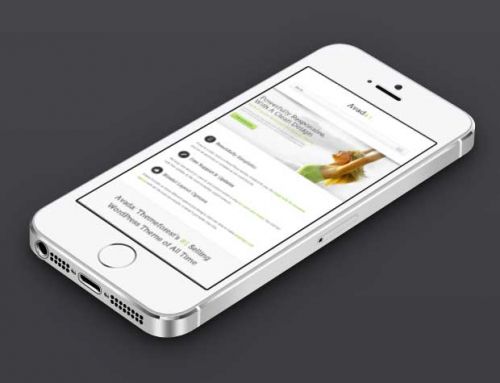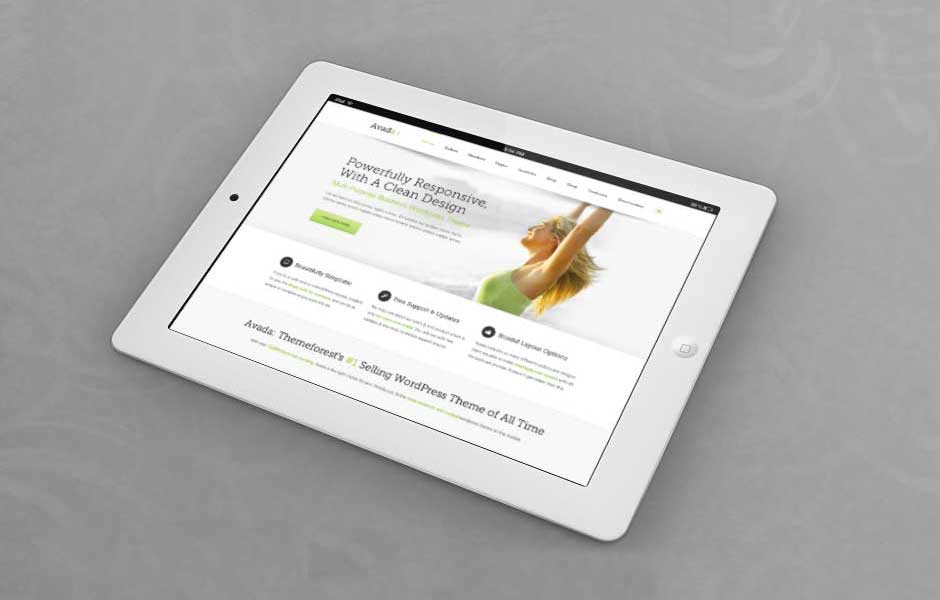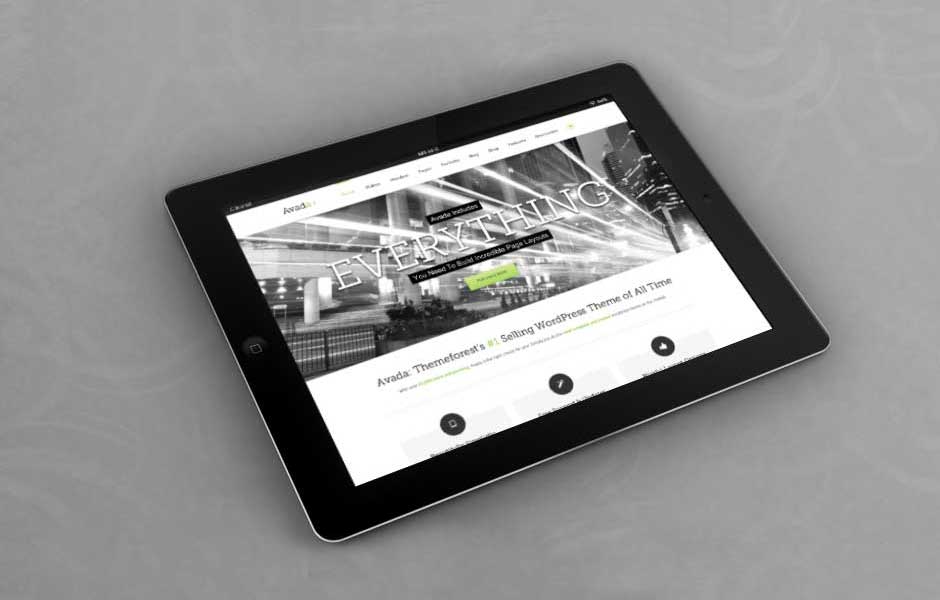
In the fast-evolving landscape of digital interfaces, the challenge for designers and developers is to craft navigation systems that are both accessible and unobtrusive. Mobile devices, with their limited screen real estate, demand innovative solutions that balance aesthetic minimalism with functional depth. At the heart of this design philosophy lies the iconic hamburger menu three white lines, a visual shorthand that has become synonymous with responsive web design.
The Evolution of Mobile Navigation
As smartphones overtook desktops as the primary means of internet access, traditional navigation bars, which often span the top of desktop screens, proved cumbersome and cluttered on smaller displays. Early mobile websites attempted to adapt by shrinking menus or simplifying links, but these solutions often compromised usability.
Proxying this challenge was the emergence of a minimalist icon: the hamburger menu. Composed of three stacked lines, this symbol offers a compact trigger for revealing navigation options, freeing up precious screen space while remaining familiar to users worldwide. Its widespread adoption across leading brands and apps underscores its efficacy, but also raises important questions about user engagement and discoverability.
Design Principles Behind the Hamburger Menu
Successful implementation of the hamburger menu three white lines hinges on deliberate design choices that ensure clarity and intuitiveness:
- Visibility and Recognition: The icon must be easily identifiable, avoiding ambiguity. Using consistent placement—typically the top-left or top-right corner—helps establish user expectation.
- Animation and Feedback: Smooth toggling animations convey action and improve perceived performance. Feedback mechanisms, such as changing icon states or highlighting the menu, reinforce interactivity.
- Content Accessibility: Menu contents should be logically structured, prioritizing key links and providing search capabilities where appropriate.
Beyond the Icon: Best Practices in Mobile Navigation
While the hamburger menu remains a staple, its usability depends heavily on implementation. Recent industry insights reveal some pitfalls:
| Common Pitfall | Impact | Best Practice |
|---|---|---|
| Over-embedding navigation within hidden menus | Reduces discoverability, increases bounce rates | Use alternative cues or visible key actions alongside the menu |
| Neglecting accessibility considerations | Excludes users with disabilities | Ensure the icon is keyboard-operable and screen reader friendly |
| Heavy reliance on unlabelled icons | Confuses users unfamiliar with the symbol | Use labels or supplementary cues where necessary |
Industry Insights: Data on Mobile Navigation Efficacy
Empirical studies demonstrate that well-designed hamburger menus can significantly enhance user experience. For instance, a 2022 survey by Nielsen Norman Group found that 60% of mobile users prefer minimalistic navigation, but 25% of users find icons ambiguous without labels. Additionally, A/B testing across e-commerce platforms indicated a 15% increase in conversion rates when menus were accompanied by clear icons and visible labels.
Insight: Incorporating contextual cues alongside the hamburger menu three white lines can balance minimalism with clarity—an approach embraced by leading brands like Apple and Spotify.
Emerging Trends and Future Directions
As technology advances, so too do navigation paradigms. Voice-controlled interfaces, gesture-based interactions, and contextual menus are gradually supplementing traditional icons. Nevertheless, the hamburger menu remains a cornerstone, especially when seamlessly integrated with other interaction modes.
Designers are encouraged to experiment with adaptive menus that dynamically adjust based on user behaviour and context, further enhancing accessibility and engagement. Additionally, accessibility features—such as haptic feedback and ARIA labels—are becoming standard to ensure inclusivity.
Conclusion
Mastering the art of mobile navigation entails understanding both user behaviour and technological affordances. The hamburger menu three white lines embodies a balance of simplicity and functionality—serving as a foundational element in responsive design. When implemented thoughtfully, it transforms complex navigation structures into elegant, user-centric interfaces that foster engagement without sacrificing aesthetic integrity.
As digital interfaces continue to evolve, the principles underlying this icon’s success will inform future innovations, maintaining its position as a ubiquitous symbol in mobile UX design.